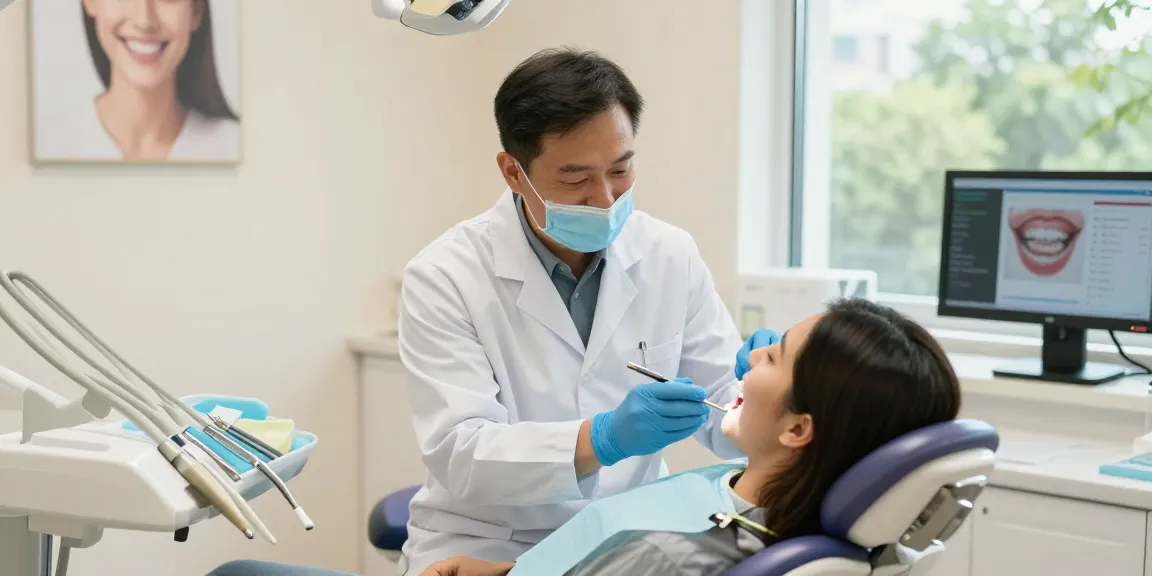
Understanding the Importance of Regular Dental Visits
Regular visits to the dentist are vital for maintaining optimal oral health and ensuring your smile stays bright and healthy. Unfortunately, many individuals neglect these essential appointments, often due to fear, anxiety, or simply lack of time. However, prioritizing dental check-ups can lead to significant long-term benefits. When exploring options, visit a resource like Dentee, which simplifies the process of finding and booking a dentist in your area.
Benefits of Visiting a Dentist Regularly
Routine dental visits come with numerous advantages, including:
- Preventive Care: Regular check-ups can catch dental issues before they escalate, saving you from more extensive and costly treatments in the future.
- Professional Cleaning: Dentists can remove plaque and tartar buildup that regular brushing cannot reach, helping to prevent cavities and gum disease.
- Early Detection of Oral Diseases: Dental professionals can identify early signs of oral diseases, including oral cancer, providing a better chance for successful treatment.
Establishing a routine dental check-up schedule can significantly enhance your overall dental health.
Common Dental Issues Prevented by Regular Check-ups
Some common dental problems that can be effectively managed with regular visits include:
- Cavities
- Gum disease (gingivitis and periodontitis)
- Dental hypersensitivity
- Bad breath (halitosis)
- Oral infections and abscesses
By addressing these issues early on, you can avoid severe pain and more complex procedures later.
How Dental Visits Impact Overall Health
Oral health is intimately connected to overall health. Poor dental hygiene and untreated dental issues can lead to serious health problems, such as:
- Heart Disease: Gum disease has been linked to heart disease and stroke.
- Diabetes: Individuals with diabetes are at a higher risk for gum disease, and untreated gum disease can affect blood sugar control.
- Respiratory Infections: Bacteria from periodontal disease can be inhaled into the lungs, leading to respiratory infections and other complications.
Regular dental visits are, therefore, not just about maintaining a pretty smile but also about ensuring a healthier body.
How to Choose the Right Dentist for Your Needs
The process of choosing a dentist can feel overwhelming, especially with so many options available. To streamline your search, consider the following factors to ensure you find a dentist who meets your needs.
Key Factors to Consider When Selecting a Dentist
When selecting a dentist, keep these critical factors in mind:
- Location: Choose a dentist whose office is conveniently located to minimize travel time, particularly for follow-up appointments.
- Services Offered: Ensure the dentist provides the specific services you need, whether routine check-ups, cosmetic dentistry, or emergency procedures.
- Insurance Acceptance: Confirm that the dentist accepts your insurance plan, if applicable, to avoid unexpected costs.
- Office Environment: Visit or call the office to assess the atmosphere and staff's professionalism.
Understanding Different Specializations in Dentistry
Not all dentists are the same; some specialize in particular areas, including:
- General Dentistry: Focuses on overall oral health and routine care.
- Orthodontics: Specializes in aligning teeth and jaws.
- Pediatric Dentistry: Caters specifically to children and adolescents.
- Oral Surgery: Handles surgical procedures related to the mouth, jaw, and face.
- Periodontics: Focuses on gum disease and related structures.
How to Check Credentials and Reviews
Before choosing a dentist, it is important to verify their qualifications. Check online reviews, ask for referrals from friends or family, and consult professional dental associations for credentials to ensure you are making an informed decision.
The Appointment Process: What to Expect
Understanding what to expect during your dental appointments can help ease any anxiety and prepare you for a productive visit.
First-Time Visits: Preparing for Your Appointment
For your first visit, be sure to:
- Gather your insurance information and any medical history relevant to your dental health.
- Prepare a list of any medications you are currently taking.
- Think about any concerns or symptoms you want to discuss with the dentist.
What Happens During a Dental Check-up?
Typically, a dental check-up includes:
- A thorough examination of your teeth, gums, and mouth
- X-rays if necessary to assess oral health
- Professional cleaning to remove plaque and tartar
- Discussion of any treatment plans if issues are found
Understanding Treatment Plans and Procedures
After the examination, your dentist will outline any necessary treatments. Make sure to ask questions if you do not understand the proposed plan, including:
- What the treatment involves?
- How long it will take?
- What are the costs involved?
Being fully informed will help you feel more comfortable about your dental care.
Innovations in Dental Care for 2026
The field of dentistry is evolving rapidly, with new technologies and methodologies enhancing patient experiences and outcomes. Here are some of the exciting innovations you can expect in the coming years.
Emerging Technologies in Dentistry
From artificial intelligence to 3D printing, new technologies are reshaping how dental care is delivered:
- AI Diagnostics: AI tools can assist dentists in diagnosing conditions more accurately and efficiently.
- 3D Printing: Custom dental appliances can be produced quickly and accurately, enhancing the fit and comfort for patients.
- Intraoral Scanners: Digital impressions are becoming more common, allowing for faster and more comfortable fittings for crowns and aligners.
Tele-dentistry: Convenient Options for Patients
Tele-dentistry is making oral health care more accessible, allowing patients to consult with their dentists remotely. This service can be particularly useful for:
- Initial consultations
- Follow-up appointments
- Managing urgent dental concerns without a physical visit
Future Trends in Dental Health and Hygiene
As we look to the future, trends such as personalized oral health plans, increased emphasis on preventive care, and advancements in materials and technology promise to improve the quality of dental care significantly.
Frequently Asked Questions About Dental Visits
Many patients have common concerns when it comes to dental visits. Here are answers to some frequently asked questions.
What should I do if I have dental anxiety?
If you're anxious about dental visits, communicate your concerns with your dentist. They can offer methods to help you feel more comfortable, such as relaxation techniques or sedation options.
How often should I visit the dentist?
Most dental professionals recommend visiting the dentist every six months for routine check-ups and cleanings. However, those with specific dental concerns may need to schedule visits more frequently.
Are dental check-ups really necessary every six months?
Yes, regular check-ups help catch problems early and maintain your oral hygiene. However, always consult with your dentist for personalized recommendations.
What should I bring to my first dental appointment?
Bring your insurance information, a list of medications, and any medical history. This information helps your dentist understand your background and tailor your care accordingly.
How can I find emergency dental care when needed?
Emergency dental care is crucial for handling urgent situations like severe pain or trauma. Research local dental practices that offer emergency services, and keep their contact information handy for quick access.