
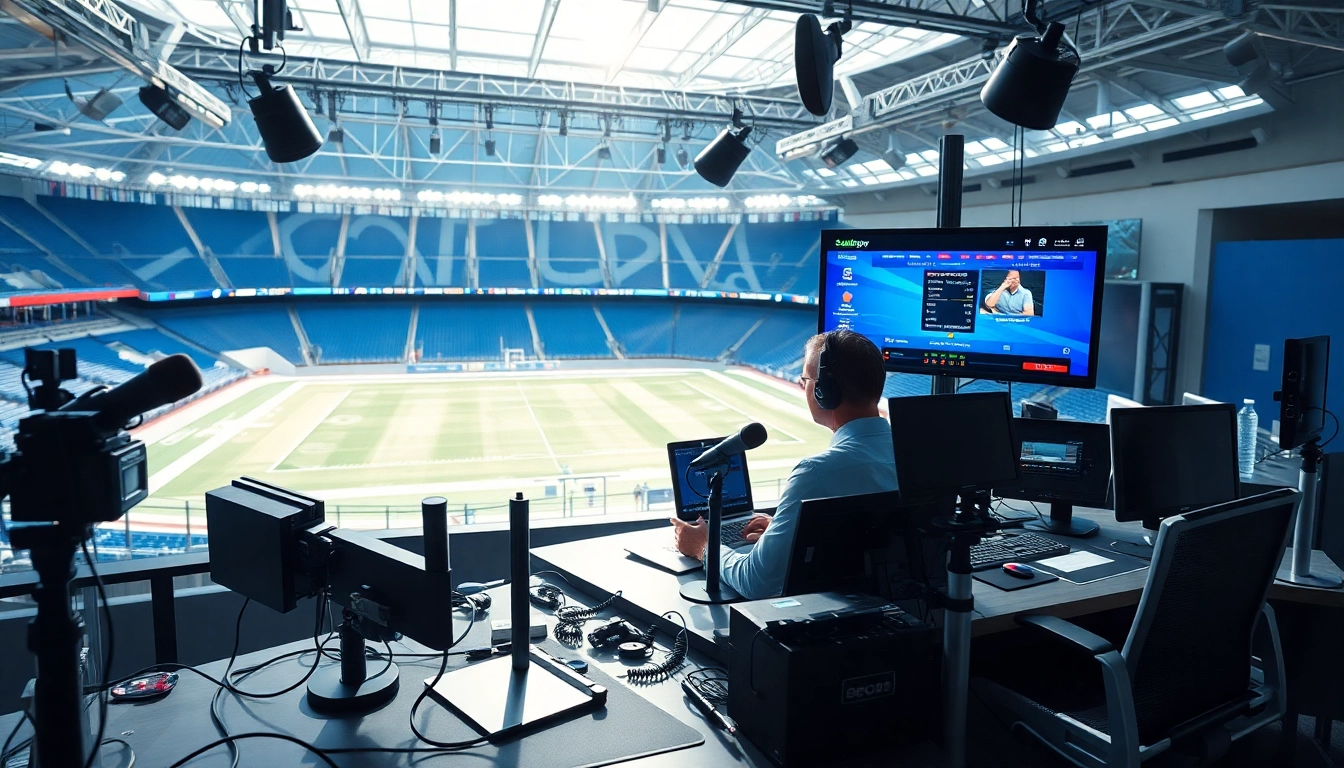
The Essentials of Sports Broadcasting
What is Sports Broadcasting?
Sports broadcasting is the dissemination of sporting events through various media channels, including television, radio, and digital platforms. It plays a crucial role in connecting fans with their favorite sports and athletes, offering real-time updates, commentary, and analysis. The technological advancements in this field have made it possible for audiences worldwide to enjoy live sports coverage and engage with their preferred teams from the comfort of their homes. Sports Broadcasting has become an integral part of modern culture, shaping how fans experience sports.
Key Components of Sports Broadcasting
Understanding the key components of sports broadcasting is essential for anyone interested in this field. The primary elements include:
- Hosts and Commentators: They provide context, insight, and excitement during live broadcasts, influencing how the audience perceives the competition.
- Producers and Directors: These professionals coordinate the entire broadcast, ensuring that every aspect flows seamlessly.
- Camera Operators: They capture the action from various angles, enhancing viewer engagement through dynamic visuals.
- Graphics and Stats Team: This group generates real-time data and graphics that enrich the viewing experience by providing statistics and analysis.
- Post-Production Editors: After live events, they assemble the footage into digestible highlights and recaps for audiences unable to catch the live broadcast.
Types of Sports Broadcasting Formats
Sports broadcasting can take various forms, each catering to specific audience needs and preferences:
- Live Telecasts: These are real-time broadcasts of sporting events, typically offered by major networks.
- Delayed Broadcasts: These air shortly after the event has concluded, allowing for editing and presentation improvements.
- Highlight Shows: These condensed segments showcase the most exciting moments from multiple events, appealing to fans with limited viewing time.
- Podcasts: An increasingly popular format, podcasts discuss sports events, analysis, and interviews with industry experts, allowing fans to engage on the go.
The Technology Behind Sports Broadcasting
Broadcasting Equipment: An Overview
The backbone of sports broadcasting lies in its cutting-edge equipment, crucial for delivering high-quality content. Key types of broadcasting equipment include:
- Cameras: Multiple HD cameras capture various angles of the sporting event.
- Microphones: These ensure clear sound for commentators and in-game audio from players and coaches.
- Switchers: These devices allow directors to switch between different camera feeds and graphics in real-time.
- Broadcast Servers: They store video and audio data, enabling seamless playback and live broadcasting.
Software and Tools Used in Sports Broadcasting
In addition to hardware, various software tools enhance the broadcasting process. Important categories include:
- Editing Software: This software is essential for post-production, allowing editors to create compelling highlight reels and feature segments.
- Graphics Software: Used for creating on-screen graphics, overlays, and player statistics that enrich the viewer experience.
- Analytics Tools: These measure viewership metrics and audience engagement, providing insights for future broadcasts.
- Streaming Platforms: These allow content to be distributed live over the internet, reaching audiences beyond traditional cable.
The Role of Streaming Services in Sports Broadcasting
Streaming services have revolutionized sports broadcasting by offering fans the flexibility to watch games on various devices. The key advantages include:
- On-Demand Access: Fans can watch games anytime, making it easier to fit sports into their schedules.
- Global Reach: Streaming services allow viewers from different countries to access events that may not be broadcast locally.
- Interactive Features: Many platforms offer interactive features such as live chat, statistics, and social media integration, enhancing viewer engagement.
Challenges in Sports Broadcasting
Managing Live Broadcasts: Common Issues
Live broadcasts in sports broadcasting can encounter various challenges that affect the viewing experience. Some common issues include:
- Technical Difficulties: Equipment failures can cause significant delays or loss of broadcast quality.
- Unpredictable Events: Weather conditions, injuries, and unexpected game developments can disrupt planned coverage.
- Communication Errors: Miscommunication among production crews can lead to timing issues and disorganized coverage.
Compliance and Regulations in Sports Broadcasting
Staying compliant with laws and regional regulations is paramount. Each region may have particular rules regarding broadcasting rights, advertising limits, and content guidelines that broadcasters must understand and adhere to.
Adapting to Technological Changes in Sports Broadcasting
The landscape of sports broadcasting is continuously evolving with technological advancements, particularly concerning digital media and viewer engagement. Keeping pace with these changes can be challenging but is essential for relevance.
Strategies for Successful Sports Broadcasting
Engaging Audiences Through Compelling Coverage
Successful sports broadcasting goes beyond merely presenting events; it requires establishing a connection with the audience. Strategies to boost engagement include:
- Storytelling: Narratives about players and teams can captivate audiences, making them care about the game beyond just the score.
- Audience Interaction: Incorporating social media reactions, tweets, and fan commentary can create a more immersive experience.
- Expert Analysis: Commentary that provides insight into strategies, player performance, and team dynamics can enhance viewer understanding and enjoyment.
Brand Partnerships and Sponsorships in Sports Broadcasting
Building strong brand partnerships is critical for financial success in sports broadcasting. Strategies for effective partnerships include:
- Authenticity: Brands should align with relevant sporting events and authentic connections to the audience.
- Custom Content: Collaborating on promotional content that resonates with the audience creates a win-win situation for both brands and broadcasters.
- Long-Term Relationships: Fostering lasting partnerships can provide stability and ongoing support for sports broadcasts.
Data Analytics for Performance Measurement in Sports Broadcasting
Data analytics plays an increasingly vital role in understanding audience preferences and improving content delivery. Key metrics to track include:
- Viewership Numbers: Understanding how many viewers are tuning in can guide future programming decisions.
- Engagement Rates: Metrics like social media interactions provide insights into audience engagement.
- Feedback and Surveys: Gathering viewer feedback can help improve the quality of future broadcasts and enhance viewer satisfaction.
The Future of Sports Broadcasting
Emerging Trends in Sports Broadcasting
The landscape of sports broadcasting is continually evolving. Key emerging trends include:
- Virtual Reality (VR): VR technologies are being explored to offer immersive viewing experiences, allowing fans to feel as if they are part of the action.
- Augmented Reality (AR): AR can enhance live broadcasts by overlaying stats and information onto the screen, providing real-time analytics.
- Globalization of Sports Content: As audiences become more global, broadcasters are likely to focus on international sports and competitions.
The Impact of Social Media on Sports Broadcasting
Social media platforms are changing how sports content is shared and discussed. Teams, athletes, and broadcasters can engage with their audiences directly, shaping narratives and harnessing real-time feedback.
Predicting Changes in Audience Engagement for Sports Broadcasting
As technology continues to advance, audience engagement will likely shift. Enhanced interactive features and viewer participation options could transform passive viewing into a more engaging experience, fueling loyalty and viewership long-term.
FAQs on Sports Broadcasting
What channels are best for sports broadcasting?
Best channels vary by location, but major networks like ESPN, regional sports networks, and streaming services like Hulu or YouTube TV offer broad coverage of sports events.
How has technology impacted sports broadcasting?
Technology has enhanced broadcast quality, introduced interactive features, and allowed for real-time data analysis, significantly improving viewer experience.
What are common challenges faced by sports broadcasters?
Common challenges include technical difficulties, compliance with regulations, managing live broadcasts, and adapting to rapid technological changes.
What is the role of social media in sports broadcasting?
Social media enhances engagement, provides platforms for fan discussions, and allows immediate feedback, shaping how broadcasts reach and interact with audiences.
How can sports broadcasters measure success?
Broadcasters can measure success through viewership metrics, audience engagement statistics, and feedback from surveys, guiding improvements in future broadcasts.